


Buddhism Chants
Buddhist chants are rhythmic recitations of sacred texts, mantras, or prayers used in various forms of Buddhist practice. These chants are often in Pali, Sanskrit, Tibetan, or other languages depending on the tradition. Common chants include the Heart Sutra, the Mantra of Avalokiteshvara (“Om Mani Padme Hum”), and the refuge vows. Chanting serves multiple purposes: it focuses the mind, cultivates mindfulness, and invokes the protective and compassionate presence of enlightened beings. The vibrations of the chants are believed to purify negative energies and promote spiritual growth. This practice fosters a deep sense of peace, devotion, and connection to the teachings of Buddhism.
Neuro Linguistic Programming
Neuro-Linguistic Programming (NLP) is a psychological approach that explores the connections between neurological processes, language, and behavioral patterns learned through experience. Developed in the 1970s by Richard Bandler and John Grinder, NLP aims to enhance personal development and communication skills. Practitioners use techniques such as modeling, visualization, and anchoring to reprogram negative thought patterns and behaviors. By understanding and altering how people perceive and react to the world, NLP helps improve emotional resilience, achieve personal goals, and foster better interpersonal relationships. It’s widely applied in therapy, coaching, and self-help to promote positive change and achieve desired outcomes.

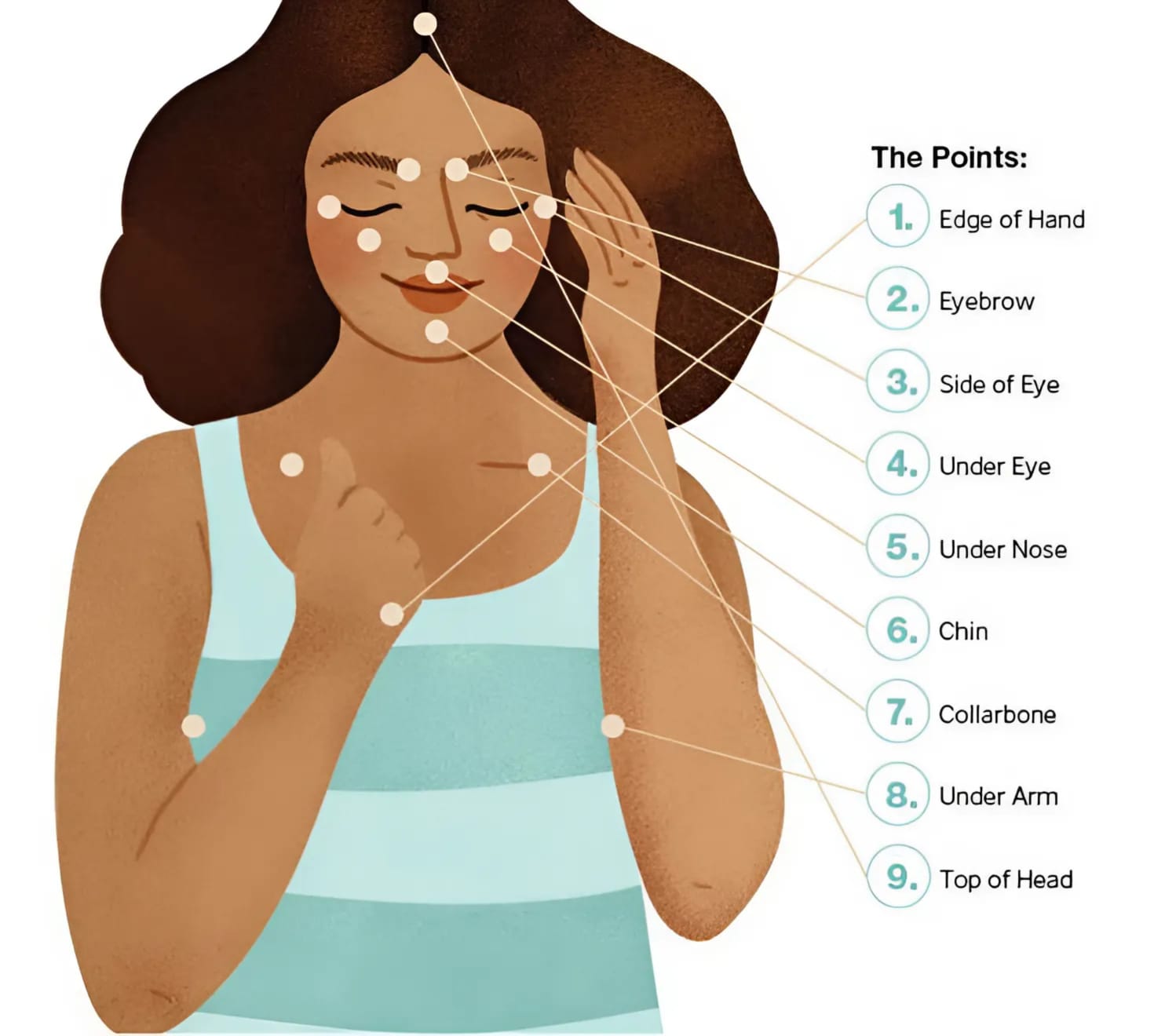
Emotional Freedom Techniques
Emotional Freedom Techniques (EFT), also known as tapping, is a form of psychological acupressure that aims to relieve stress and emotional pain. Developed by Gary Craig, EFT involves tapping on specific meridian points on the body while focusing on a particular issue or emotion. This process is believed to balance the body’s energy system and release negative emotions or trauma. EFT combines elements of cognitive therapy with acupressure, helping individuals reduce anxiety, fear, and physical pain. It is used for various conditions, including PTSD, phobias, and chronic stress, promoting emotional healing and enhancing overall well-being through a simple, self-applied technique.
Ho'oponopono Prayer
Ho’oponopono is an ancient Hawaiian prayer and healing practice that focuses on reconciliation and forgiveness. The process involves repeating four key phrases: “I’m sorry, Please forgive me, Thank you, I love you.” Practitioners believe this mantra helps cleanse negative energies, heal relationships, and restore harmony within oneself and with others. Ho’oponopono emphasizes personal responsibility, suggesting that individuals can heal themselves and their environment by addressing their thoughts and actions. By fostering a deep sense of gratitude, compassion, and forgiveness, this practice aims to release emotional burdens, promote inner peace, and create positive change in one’s life and surroundings.


Parenting Counselling Sessions
Parenting counseling sessions are designed to support parents in addressing challenges and improving their parenting skills. These sessions provide a safe space for parents to discuss concerns, such as behavioral issues, communication difficulties, and family dynamics. Counselors offer guidance on effective parenting strategies, emotional support, and conflict resolution techniques. The goal is to enhance the parent-child relationship, promote positive behavior, and foster a nurturing home environment. Parenting counseling can help parents understand their child’s developmental needs, manage stress, and build confidence in their parenting abilities. These sessions are tailored to individual family situations, aiming for holistic family well-being.
Midbrain Activities
Midbrain activities are specialized exercises aimed at stimulating and activating the midbrain, or mesencephalon, which plays a key role in vision, hearing, motor control, and alertness. These activities often include memory games, visual exercises, and meditation techniques designed to enhance cognitive functions and sensory perception. The concept is that by engaging the midbrain, individuals, particularly children, can improve concentration, creativity, and learning abilities. Proponents believe that these activities can also help in balancing the right and left brain hemispheres, leading to better overall brain function. Midbrain activation programs are often marketed as tools to unlock a child’s hidden potential.

Spiritual Teaching
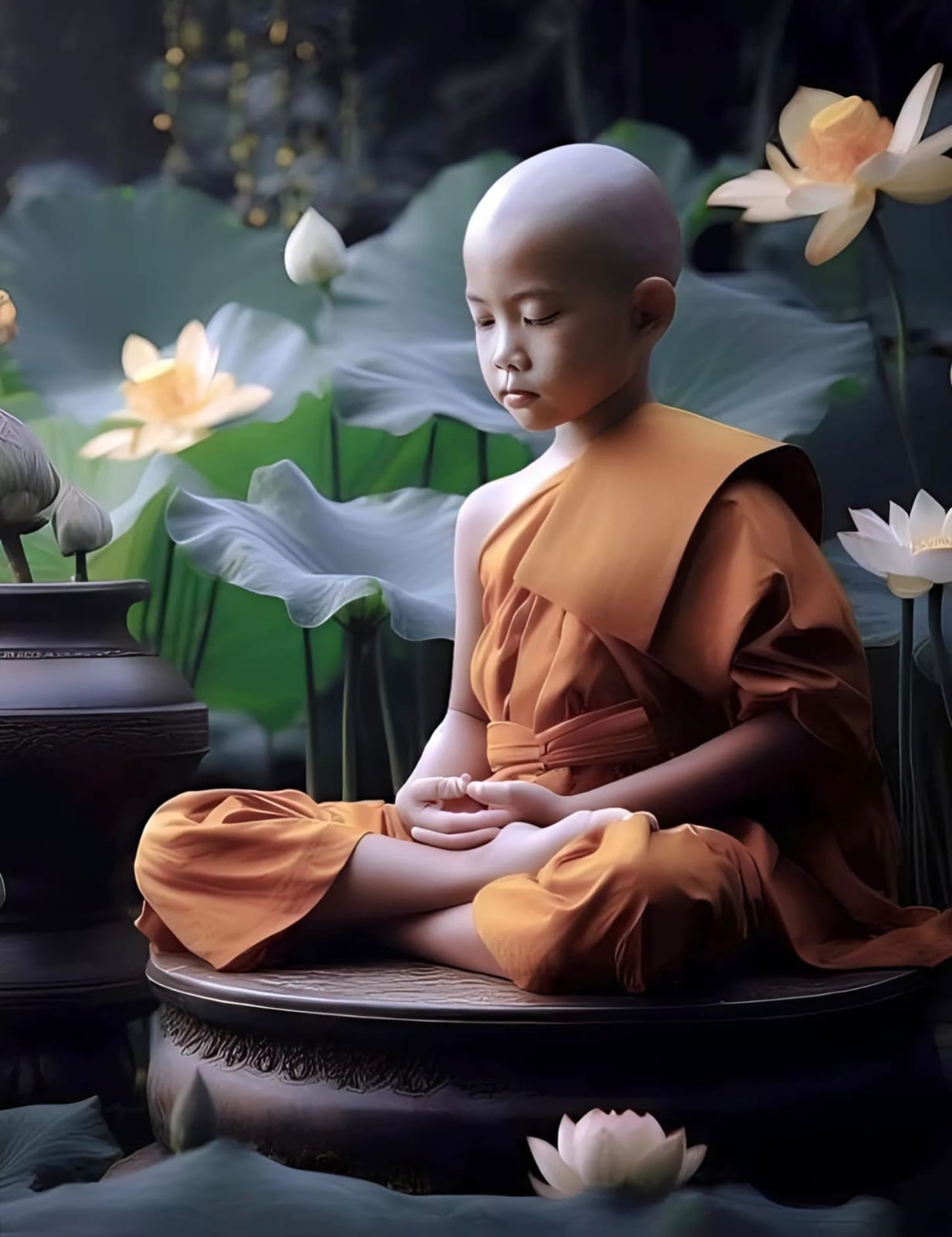
Spiritual teachings encompass guidance and wisdom aimed at fostering personal growth, inner peace, and a deeper connection with the divine or higher self. These teachings draw from various religious, philosophical, and metaphysical traditions, offering insights into the nature of existence, the soul, and universal truths. They often include practices such as meditation, mindfulness, prayer, and contemplation to cultivate awareness and enlightenment. Spiritual teachings encourage individuals to explore their inner world, develop compassion, and live in harmony with others and the universe. By embracing these teachings, one can achieve greater fulfillment, purpose, and a sense of interconnectedness with all life.
Holistic Development for Children and Adults
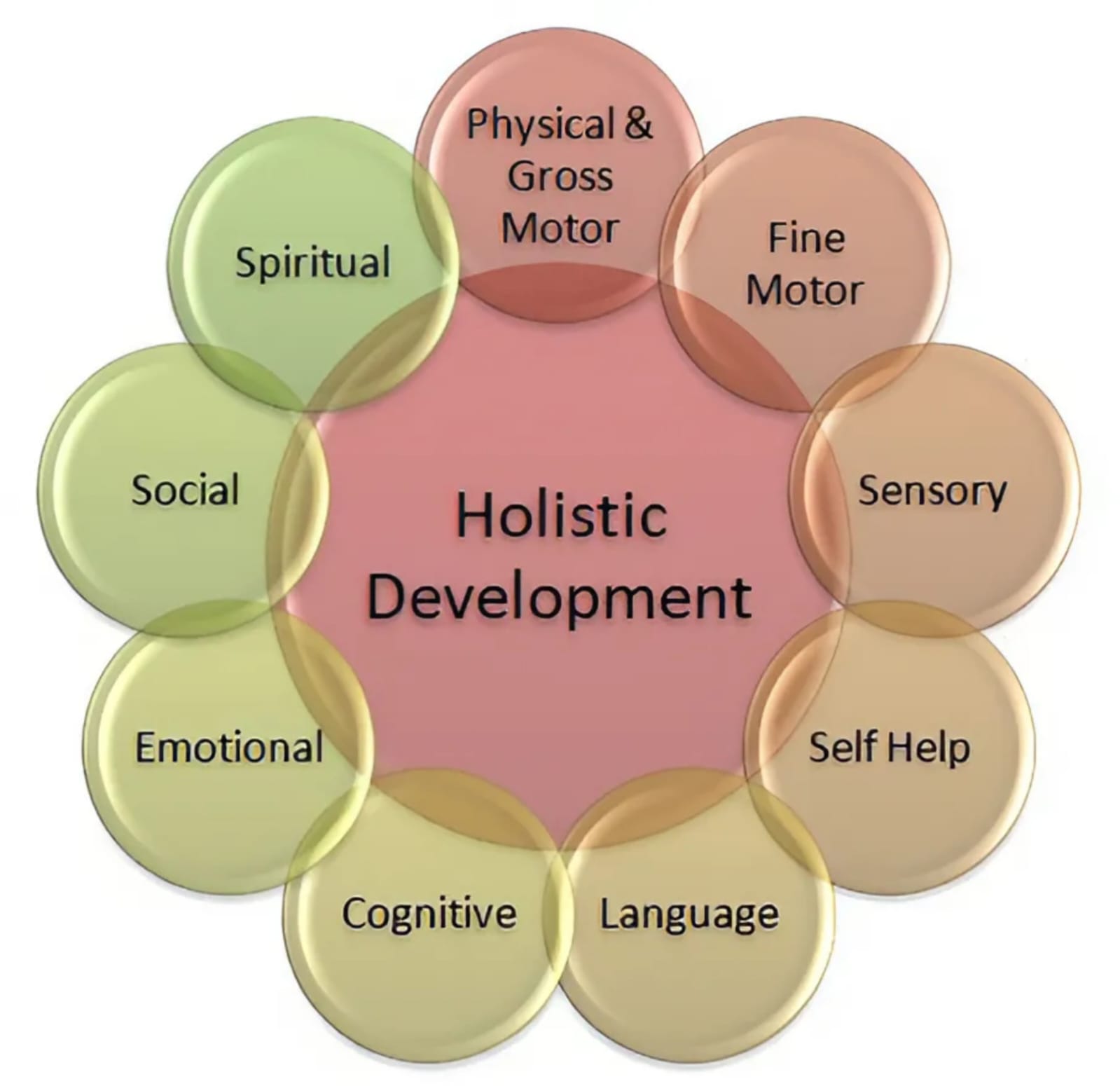
Holistic development is an approach to growth that emphasizes the comprehensive nurturing of an individual’s physical, emotional, intellectual, social, and spiritual well-being. This method recognizes that all aspects of a person are interconnected and equally important. Programs and activities designed for holistic development aim to balance these dimensions, fostering a well-rounded and harmonious life. Techniques include physical exercise, emotional intelligence training, cognitive challenges, social skills development, and spiritual practices like meditation. Holistic development seeks to cultivate a balanced, healthy, and fulfilled individual who is capable of contributing positively to society and achieving personal and collective well-being.
Family Blessings
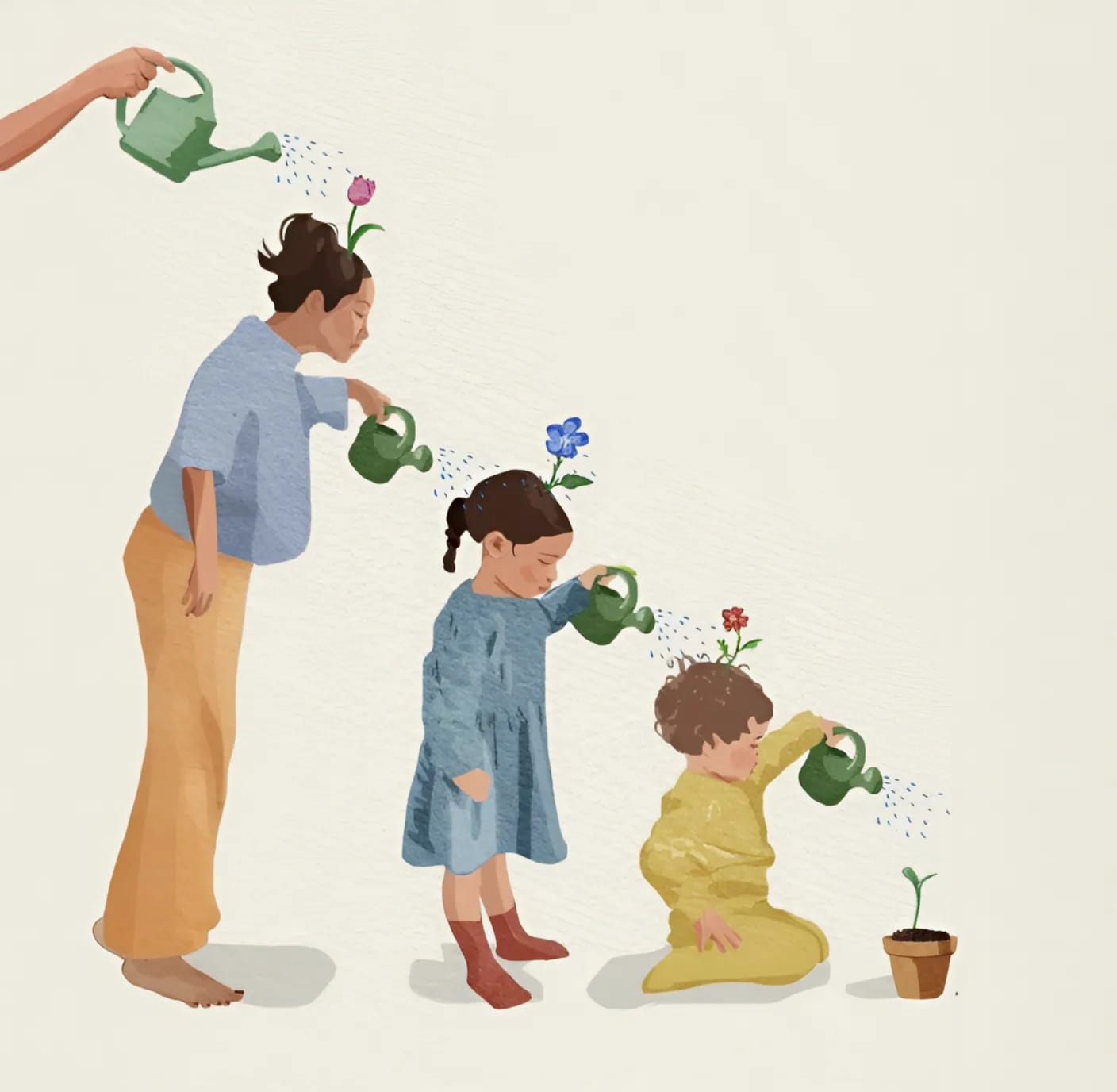
Family blessings are rituals or prayers aimed at invoking divine protection, love, and harmony for family members. These blessings can be part of religious ceremonies, cultural traditions, or personal spiritual practices. They often include spoken words, gestures, or symbolic actions that express gratitude, wishes for well-being, and hopes for a prosperous future. Family blessings strengthen familial bonds, foster a sense of unity, and create a positive, nurturing environment. They can be performed during significant life events, such as births, marriages, and holidays, or as regular practices to continually infuse the household with positive energy and mutual support.
Hypnotherapy
Hypnotherapy is a therapeutic technique that uses guided hypnosis to help individuals achieve a heightened state of focus and relaxation. During a session, a trained hypnotherapist guides the client into a trance-like state, where the subconscious mind becomes more receptive to positive suggestions and insights. This altered state of consciousness allows clients to address various issues, such as stress, anxiety, phobias, and unwanted habits. Hypnotherapy can also enhance self-awareness and promote personal growth. It is a safe and effective method used to facilitate healing and behavioral change by tapping into the deeper layers of the mind where lasting transformation can occur.


Past Life Regression
Past life regression is a therapeutic practice that enables individuals to explore memories and experiences from previous lifetimes. Conducted by trained practitioners, this technique often involves guiding clients into a deep state of relaxation or hypnosis, allowing them to access subconscious memories. Participants may uncover insights related to current life challenges, emotional patterns, or unresolved issues by revisiting past life events. While the authenticity of these memories is a topic of debate, many find the experience healing and transformative, leading to greater self-awareness, emotional release, and a deeper understanding of their life purpose and soul’s journey.
Guru Diksha
Guru Diksha is a sacred initiation process in which a spiritual teacher, or guru, imparts knowledge and energy to a disciple, marking a significant step in their spiritual journey. This ritual often involves specific rites, mantras, and blessings, symbolizing the transfer of wisdom and spiritual power. The disciple typically receives teachings tailored to their spiritual path, enhancing their understanding and practice of meditation, yoga, or other spiritual disciplines. Guru Diksha fosters a deep connection between the guru and disciple, promoting guidance, protection, and personal transformation. This initiation is considered a vital aspect of many spiritual traditions, emphasizing devotion and commitment to spiritual growth.

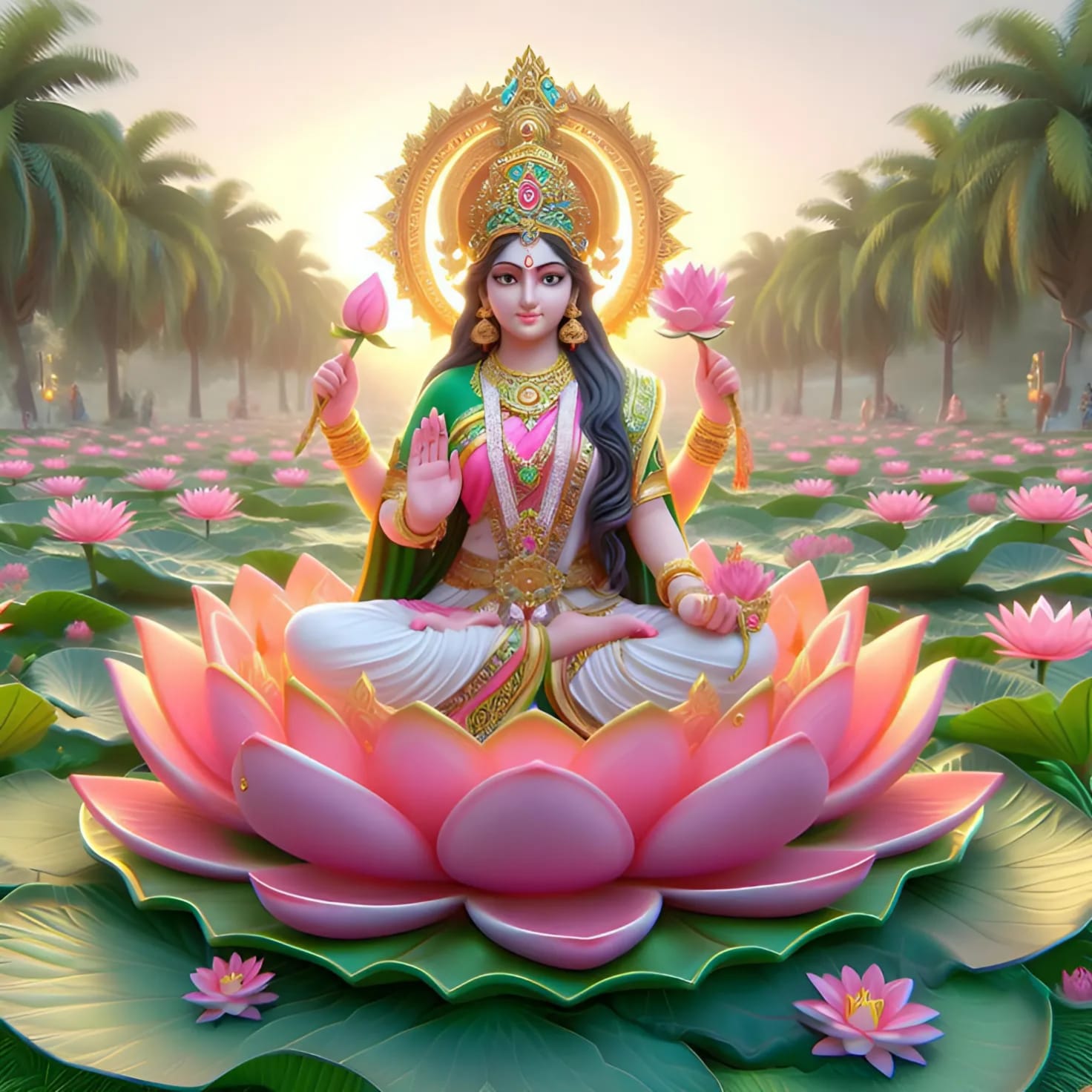
Lakshmi Siddhi
Lakshmi Siddhi is a spiritual practice rooted in Hindu tradition that focuses on attracting wealth, prosperity, and abundance through devotion to Goddess Lakshmi, the deity of wealth and fortune. The practice involves chanting specific mantras, performing rituals, and engaging in meditation to invoke Lakshmi’s blessings. Practitioners believe that by cultivating gratitude and positive intentions, they can align their energies with abundance, leading to improved financial circumstances and overall prosperity. Lakshmi Siddhi emphasizes not just material wealth but also spiritual richness, encouraging individuals to seek balance and harmony in all aspects of life while fostering generosity and compassion towards others.